PepsiCo doubles its climate target and pledges to be climate-neutral by 2040
PepsiCo is stepping up its efforts to build a more resilient and sustainable food system, cutting absolute greenhouse gas emissions across its entire value chain by more than 40% by 2030.
In Europe, PepsiCo will focus on:
- Driving sustainable agriculture, including scaling up low-emission fertilisers and precision agriculture technology to achieve higher yields
- Accelerating the transition to renewable electricity and introducing low- or zero-emission fuels for transport across the entire value chain
- Reducing virgin plastic and increasing the use of recycled material in packaging
- Designing products to reduce the environmental impact of its brands
PepsiCo today announced plans to more than double its science-based climate target. The company is aiming to reduce absolute greenhouse gas emissions across its value chain by more than 40% by 2030. PepsiCo has also pledged to be climate-neutral by 2040, a decade earlier than called for in the Paris Agreement.
More specifically, PepsiCo plans to reduce absolute greenhouse gas emissions from its direct operations (scope 1 and 2) by 75% and from its indirect value chain (scope 3) by 40% by 2030 (2015 baseline). This action is expected to result in a reduction of more than 26 million tonnes of greenhouse gas emissions, equivalent to the emissions from more than five million cars driven for a full year.
“The serious impacts of climate change are intensifying, and we must accelerate the urgent systemic changes needed to address this issue,” said Ramon Laguarta, Chairman and CEO of PepsiCo. “Climate action is central to how we operate as one of the world’s largest food and beverage companies, and it also drives forward our PepsiCo Positive journey to deliver positive outcomes for our planet and its people. Our ambitious climate goal will guide us along a challenging but critical path forward. There is simply no alternative to immediate and decisive action.”
PepsiCo’s action plan focuses on mitigation, by reducing greenhouse gas emissions to decarbonise its operations and supply chain. It also focuses on resilience, by incorporating climate risks into business plans to reduce vulnerability to the impacts of climate change. In Europe, PepsiCo has already reduced its total greenhouse gas emissions by 6% since 2015, in line with global reductions. Its new, expanded emissions reduction plan will focus on priority areas such as agriculture, packaging, distribution and operations.
“There is no vaccine for climate change. But our planet is in crisis,” said Silviu Popovici, Chief Executive Officer, PepsiCo Europe. “PepsiCo’s new climate goal will double our efforts to reduce emissions. This applies to our own businesses as well as our suppliers and bottlers. Put simply, we all need to do more.”
In recent years, PepsiCo has already made significant progress towards reducing emissions in the Benelux:
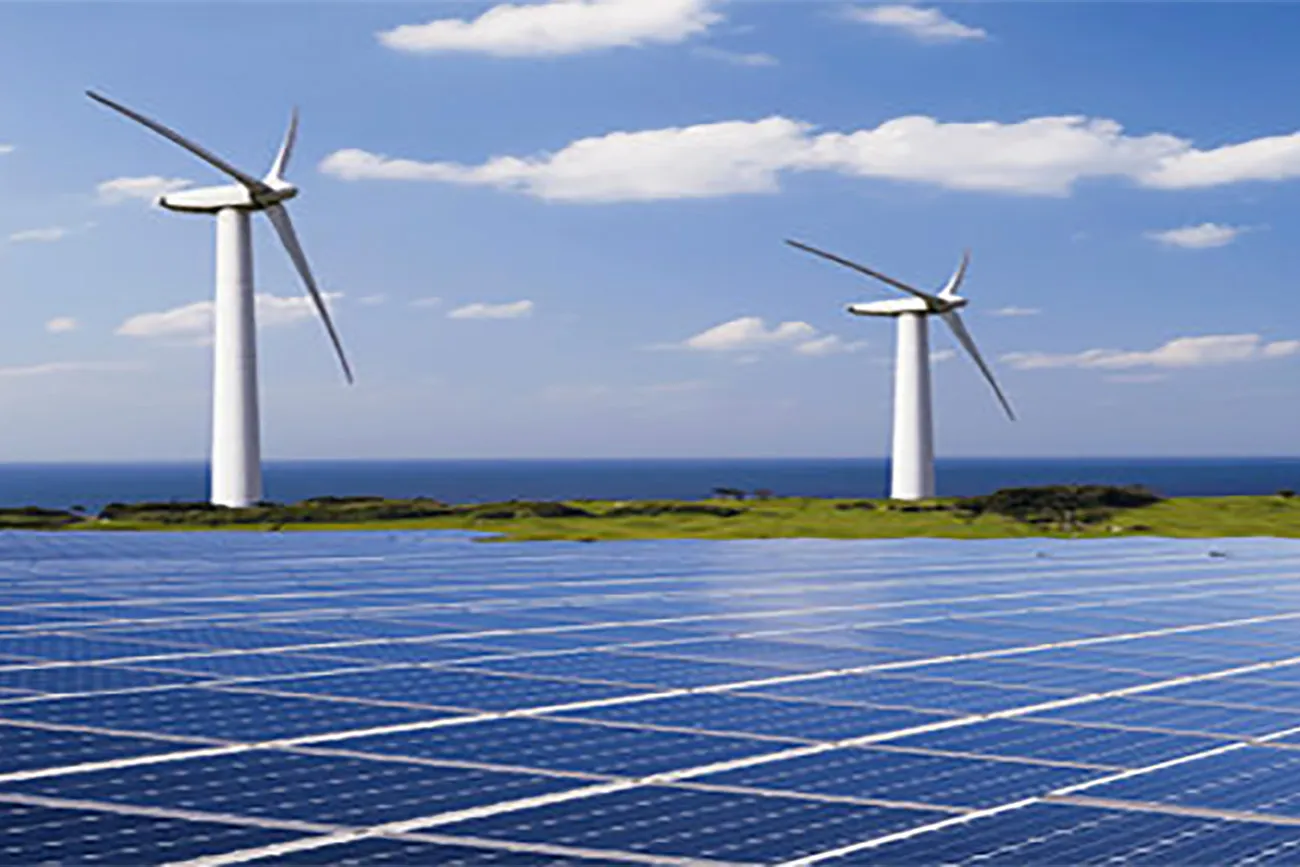
- PepsiCo uses 100% renewable electricity for all its local operations in the Benelux. This is partly thanks to solar panels on the roofs of the Quaker® production site in Rotterdam and the Duyvis® site in Zaandam. Together with SolarAccess, the company has installed 717 solar panels, which together reduce CO2 emissions by around 163 tonnes a year. PepsiCo has also installed a wind turbine at its Tropicana® factory in Zeebrugge in the Benelux, together with Eneco. The wind turbine generates around 40% of the factory’s electricity consumption, reducing CO2 emissions by around 4,200 tonnes a year.
- At the end of last year, PepsiCo also accelerated its circularity target in Belgium, and from 2022 the company will use 100% recycled PET (rPET) in all its soft drinks bottles. Using 100% rPET will save around 1,340 tonnes of virgin plastic and 2,470 tonnes of CO2 from 2022. On average, switching from bottles made from fossil-based plastic to rPET bottles will reduce CO2 emissions by 40%.
The path to a 40% absolute emissions reduction in Europe will focus on the following:
- Since agriculture accounts for around a quarter of global greenhouse gas emissions and a third of PepsiCo’s emissions, PepsiCo will further scale up sustainable agriculture and regenerative practices aimed at reducing emissions and sequestering CO2, improving soil health and biodiversity, reducing deforestation and increasing productivity for farmers. This includes expanding its global network of demonstration farms to help implement sustainable practices and improve livelihoods. In Europe, PepsiCo will also roll out technology to produce a low-emission fertiliser made from potato peelings at its Walkers® and Lays® factories, and make greater use of precision agriculture technology in its Quaker® oat and Lay’s® potato crops. The company will also work with farmers and agricultural ingredient suppliers to switch to renewable energy.
- PepsiCo will continue its efforts to reduce greenhouse gas emissions by cutting its use of virgin plastic and increasing the recycled content of its packaging. This includes recent announcements in Europe that Pepsi will switch to 100% recycled plastic (rPET) bottles in nine European markets, including Belgium, by 2022.
- By implementing more environmentally friendly production, storage, transport and distribution sites, the company aims to maximise efficiency in its supply chain while also adopting near-zero- to zero-emission technologies. From Lay’s® to Pepsi MAX® and from Quaker® to Tropicana®, an increasing number of PepsiCo brands are made using electricity from renewable sources. Twelve countries in PepsiCo’s European sector already source 100% renewable electricity, and renewable energy sources have already been installed at 14 facilities in Europe, including all 5 factories in the Benelux, such as wind turbines, solar energy, photovoltaic panels or biomass generators. PepsiCo will also work with its suppliers to switch to low- to zero-emission fuels in its logistics, while increasing the use of AI technology to enable better route planning and reduce emissions from distribution.
- PepsiCo is implementing innovative business processes to reduce greenhouse gas emissions, such as the “Sustainable from the Start” programme, which puts environmental impact at the centre of product design decisions. In addition, two internal ‘carbon pricing’ programmes, one aimed at eliminating the carbon impact of employees’ business air travel and another at factoring carbon impact into the selection of third-party logistics carriers, will help further strengthen the consideration of climate impacts in PepsiCo’s business decisions.
PepsiCo aims to use its reach to influence the wider food system and is therefore involved in several coalitions focused on driving action on climate change, including the One Trillion Trees Initiative, The Climate Group’s RE100 and We Are Still In.
Today’s announcement by PepsiCo is in line with the Business Ambition for 1.5 °C pledge and has been approved by the Science Based Targets Initiative as the most ambitious designation available through its process.
“We congratulate PepsiCo on setting an emissions reduction target consistent with limiting warming to 1.5 °C, the most ambitious goal in the Paris Agreement,” said Nate Aden, Senior Associate at World Resources Institute, one of the Science Based Targets initiative partners. “Businesses have a crucial role to play in reducing global emissions, and it is encouraging to see major players such as PepsiCo taking ambitious action.”
For more information about our work together to address climate change, see our ESG topics page.
Question about this story? Ask your question
Keep following this
Get an email when a new story is published. No account needed.
- SubjectNews