Pringles cuts its carbon emissions and water footprint
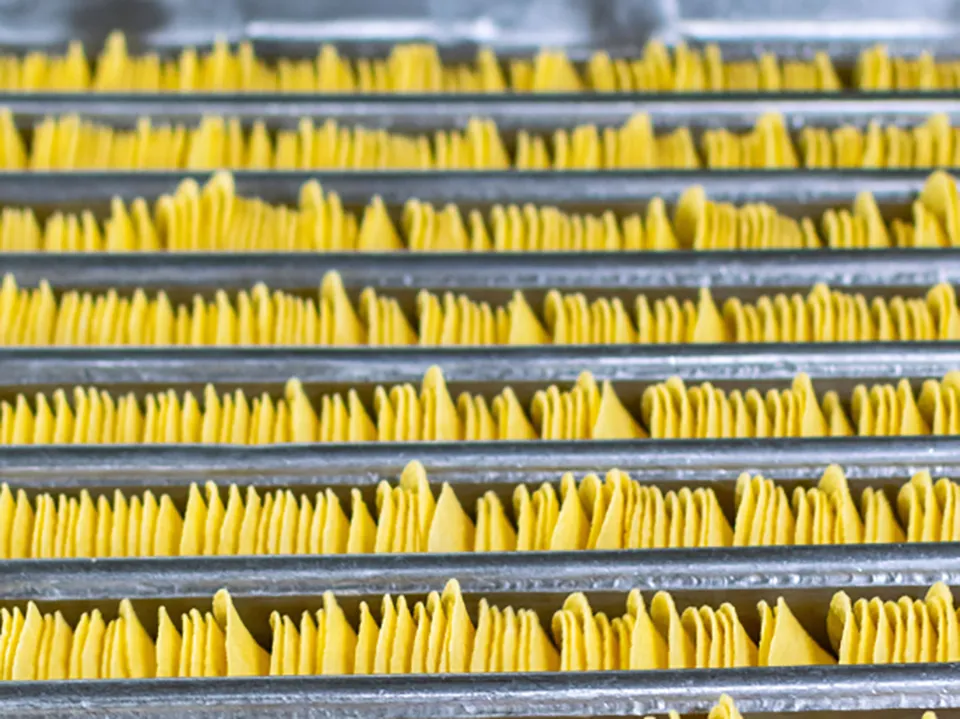
Pringles, a subsidiary of Kellogg’s, is making drastic cuts to its carbon emissions and water consumption. Johan Van Batenburg, director of the Pringles factory in Mechelen: “Installing the new incinerator will reduce our carbon footprint by 35%. With the new water treatment system, we aim to cut the factory’s water footprint by more than 50%, making us an international pioneer.”
An 80% reduction in electricity consumption
Pringles is installing a brand-new incinerator at its factory in Mechelen-Zuid, which will help reduce carbon emissions. It will also make the factory a better neighbour, as the installation will minimise noise and odour nuisance. The investment, worth €13.5 million, contributes to Pringles’ target of reducing its greenhouse gas emissions by 45% by 2030.
Johan Van Batenburg, the site director, explains: “The new incinerator has several benefits: it will cut CO2 emissions by 35% and electricity consumption by 80%, remove thermal oils, increase production capacity, be easier to maintain and operate, and, finally, be compatible with a hydrogen system.”
Circular water use
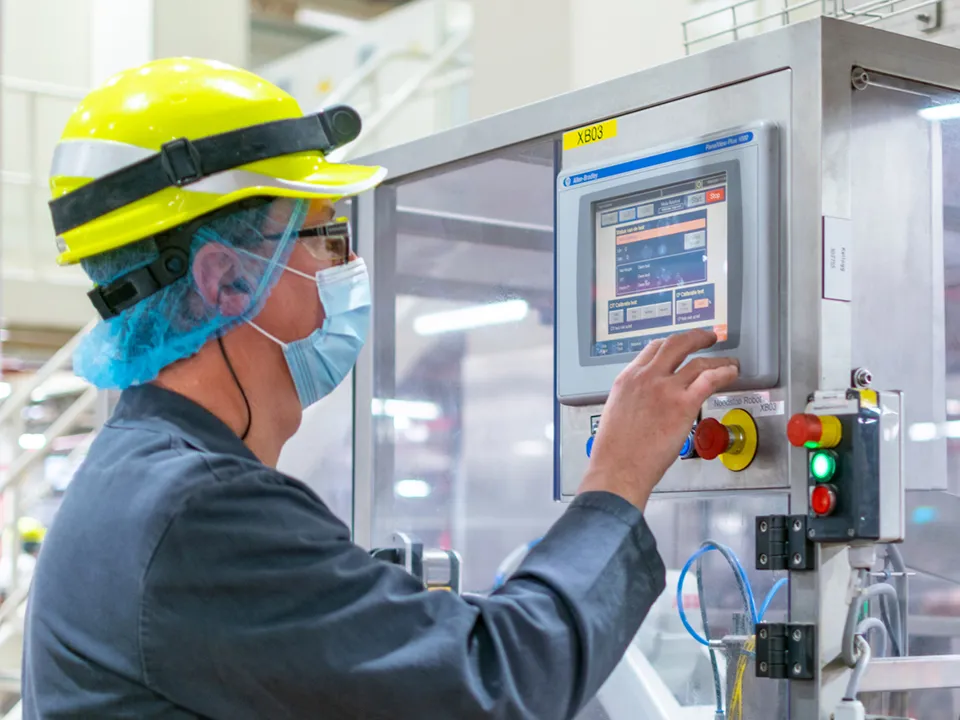
In collaboration with Pantarein, a company developing green water treatment solutions for industry, the Pringles factory is also installing a new water treatment system. With this installation, Pringles aims to reduce its factory’s water footprint by more than 50%. This will be achieved in two ways: first, by treating its wastewater to drinking water standards, and second, by recycling the remaining water for use in the production process. This includes steam, hot water and chilled water required at various production stages.
Piet De Langhe, founder of Pantarein, aims to have the system running at full capacity by mid-2023. “We will treat the water in three stages: biologically, through ultrafiltration and through reverse osmosis. We will first separate oils from the water, filter out bacteria and harmful substances, remove all biodegradable matter and finally extract salts and minerals from the water. What remains is clean drinking water. In addition, a third party will use a residual stream from this treatment process to produce energy-rich biogas.”
Pringles Mechelen is a pioneer among Kellogg’s factories. The technologies developed at the site will be rolled out across Kellogg’s international network.
Question about this story? Ask your question
Keep following this
Get an email when a new story is published. No account needed.
- SubjectNews