Report on Quality Days 2022

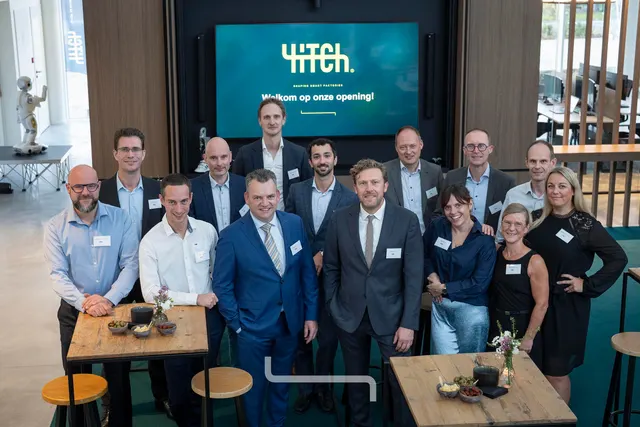
What do the catacombs of a football temple and Listeria have in common? The former served as a warm-up for the latter at the latest edition of Quality Days. 250 quality managers from the food industry gathered at the Ghelamco Arena in Ghent to gain useful insights into controlling Listeria in production. It was an informative and engaging afternoon in a setting that clearly underscored the ‘team spirit’ needed to tackle Listeria effectively.
The large audience at Quality Days clearly showed that the risk of contamination with Listeria monocytogenes is currently a hot topic in the food industry. This event for quality managers in the food industry is built around two pillars: knowledge-sharing and networking. For the first, the organising companies (Ago, Anticimex, Arco, Bimsoft, Boons, CID Lines, epacco, Gluecom, Gullimex, Hosa, Klaratex, Lavetan, Munters, Saleenco, Solco and VMA) had invited a number of experts to the Ghelamco Arena. A round-table discussion ahead of the event (see page 22) had already set out the key messages. These were supplemented on the day with tips and tricks. We have summarised the main lessons below.
Key lessons
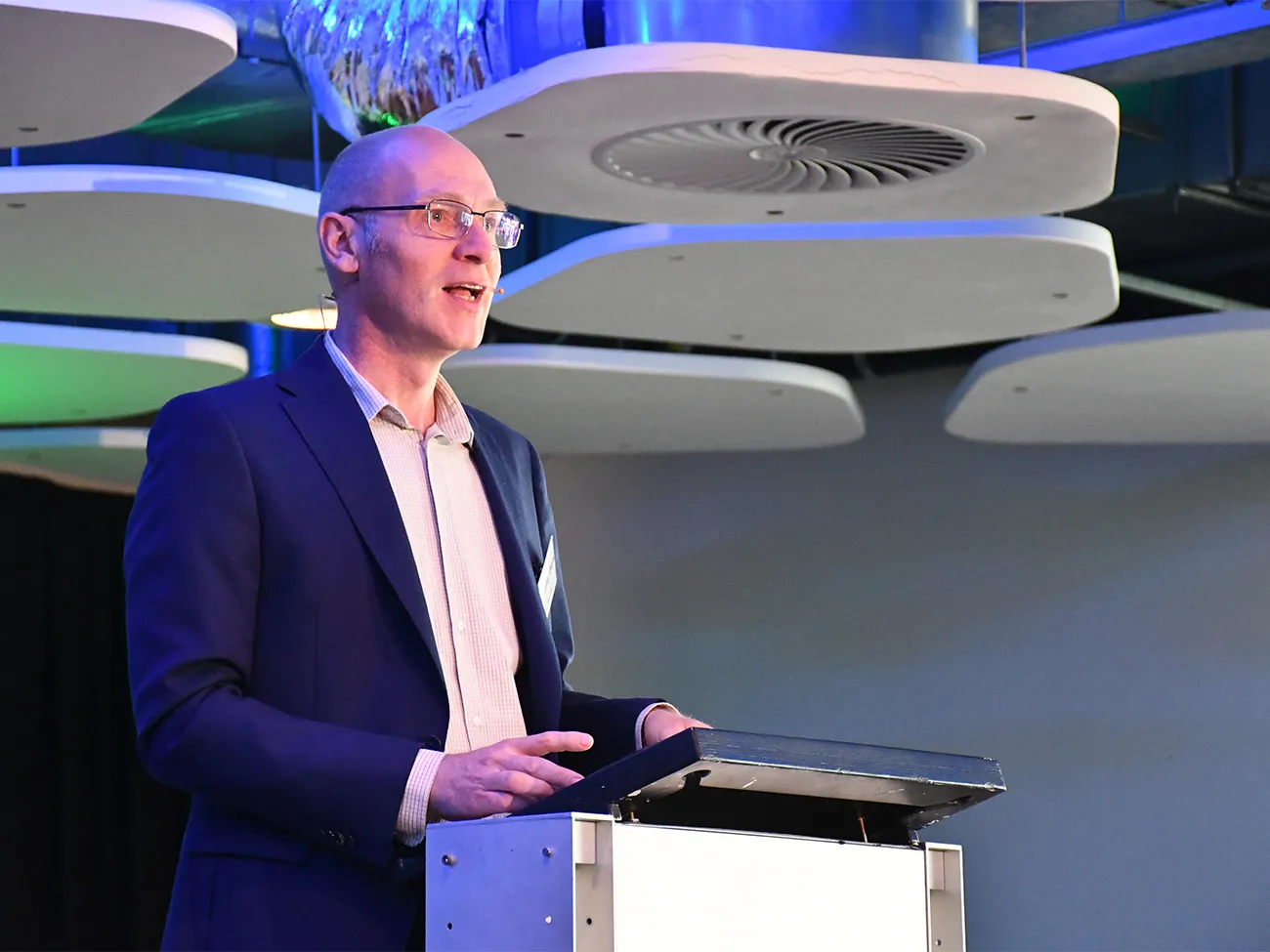
In the first presentation, ir. Katrijn Verbeek of Lavetan explained exactly what Listeria is and the risks associated with it. “Across all matrices, we record around 4 to 5% positive cases in our own laboratory. EFSA reports similar figures. There is no need to panic, but vigilance is required. Companies would do well to put active risk management in place, so they can also investigate the cause and address it quickly.” The latest method for typing Listeria is whole genome sequencing (WGS). Dr Bavo Verhaegen of Scienscano explained the benefits: “Each strain has its own distinctive fingerprint. WGS allows us to identify it and carry out much more targeted investigations. The aim is primarily to identify and eliminate persistent resident strains.” However, the experts present agreed that reducing the risk to zero was impossible. Dr ir. Koen De Reu said: “Listeria is too widespread in nature for that. But we can significantly reduce the risks by implementing a structured sampling plan. This requires a large number of samples, taken at a sufficiently high frequency in line with the risks. Sampling a surface of 10 cm² will not be enough. We try to sample 1 m².”
Where Listeria can be found
The food industry is clearly also keen for more support in combating Listeria. This is reflected in a project in which ILVO is currently helping a number of companies in high-risk sectors to develop best practices. Sampling also produced a top ten of the locations where Listeria monocytogenes was found most frequently, along with the percentage of companies where it was detected. As the project involves a limited number of companies, these results are only indicative. Nevertheless, they provide a good starting point for anyone actively looking for Listeria monocytogenes in their production environment.
- Boot-cleaning machine (100%)
- Floor (100%)
- Legs of work tables or cutting tables (100%)
- Floor drains (100%)
- Floor scales (86%)
- Wheels on mobile equipment (86%)
- Footwear worn by the person taking the samples (83%)
- Forklift trucks (66%)
- Cleaning equipment (63%)
- Touchscreens (33%)
Panel discussion
The informative programme concluded with a panel discussion, joined by the speakers as well as Wouter Burggraaf (Burggraaf en Partners, hygienic design expert), Vera Cantaert (FAVV), Johan Hallaert (FEVIA) and prof. dr. ir. Mieke Uytendaele (Universiteit Gent). This too was packed with practical insights for tackling Listeria effectively. “If you look, you will find it,” Uytendaele began. “But there is no need to be afraid of that. It should be the starting point for taking action, getting everyone on the same page and making the necessary funds available for more quality control.” In this respect, all food businesses are in the same boat.
Hallaert said: “Belgium’s food sector is made up of SMEs. Food safety culture has nothing to do with company size, but with people’s attitudes, and in that respect we are seeing a positive trend. More and more effort is being made.” Having the right people on the team is important. Cantaert said: “Make sure you have an HACCP expert on your own staff. There are plenty of guidelines, but you need someone with the insight to translate them into practice. They should also talk to both management and production-line staff. Everyone needs to be part of this.” Now is the time to take action. “Of course, reducing Listeria is not a task we can complete in a day, but we do need to get started. Bear this in mind when making new investments in machinery, because hygienic design makes it possible to demonstrate that equipment can be cleaned,” Burggraaf concluded.

Time to network
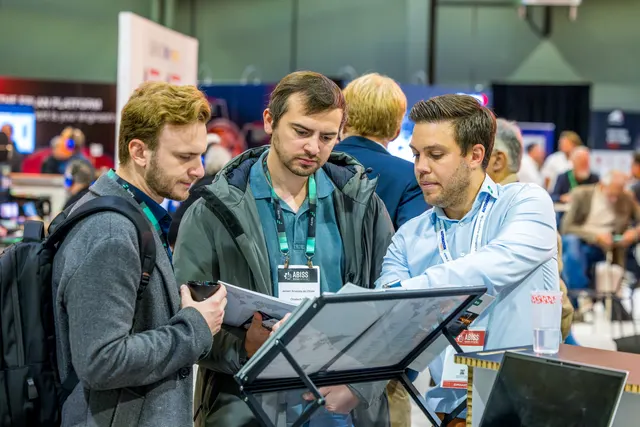
With the Ghelamco Arena as a backdrop, the networking programme also had plenty of added appeal. Before the presentations and panel discussion, visitors could take a look behind the scenes at Ghent’s football temple. They could soak up the atmosphere on the pitch or take a closer look at the home team’s changing rooms. It was all part of the experience. Afterwards, the Ghelamco Arena also showed off its culinary side. There was certainly plenty to think about after all that knowledge-sharing, and what better way to digest it than over a glass of sparkling wine and refined bites? Visitors had ample opportunity to meet one another and the speakers and share experiences. The networking reception was followed by an extensive dinner and a performance by a stand-up comedian that went down particularly well. Bring on the next edition.
Question about this story? Ask your question
Companies in this story
Keep following this
Get an email when a new story is published. No account needed.
- ThemeFood safety from design to audit
- SubjectNews
- CompanyKlaratex
- CompanyLavetan NV