What determines the quality of low-backlash gearboxes?
What determines the quality of a low-backlash gearbox? Manufacturing low-backlash gearboxes is a highly challenging discipline, and success depends on a range of factors. This article discusses those factors in detail and examines how they affect the quality of the finished low-backlash gearbox.
The key factors that determine the quality of low-backlash gearboxes are know-how, machinery, facilities, production volume, experience, lead time and investment. We are, of course, happy to explain why.
Know-how
This is also a difficult one, as it cannot be expressed in monetary terms. In that sense, it is not for sale either, but it is the most important factor. Know-how informs the choice of application and servomotor, and the question of how to manufacture the gearbox cost-effectively. Which materials, hardness and machining processes should be used, and what applications is the low-backlash gearbox designed for? A low-backlash gearbox is not a development of a ‘standard’ gearbox! In practice, things often go wrong when a supplier of low-backlash gearboxes also manufactures ‘standard’ gearboxes.
Machinery
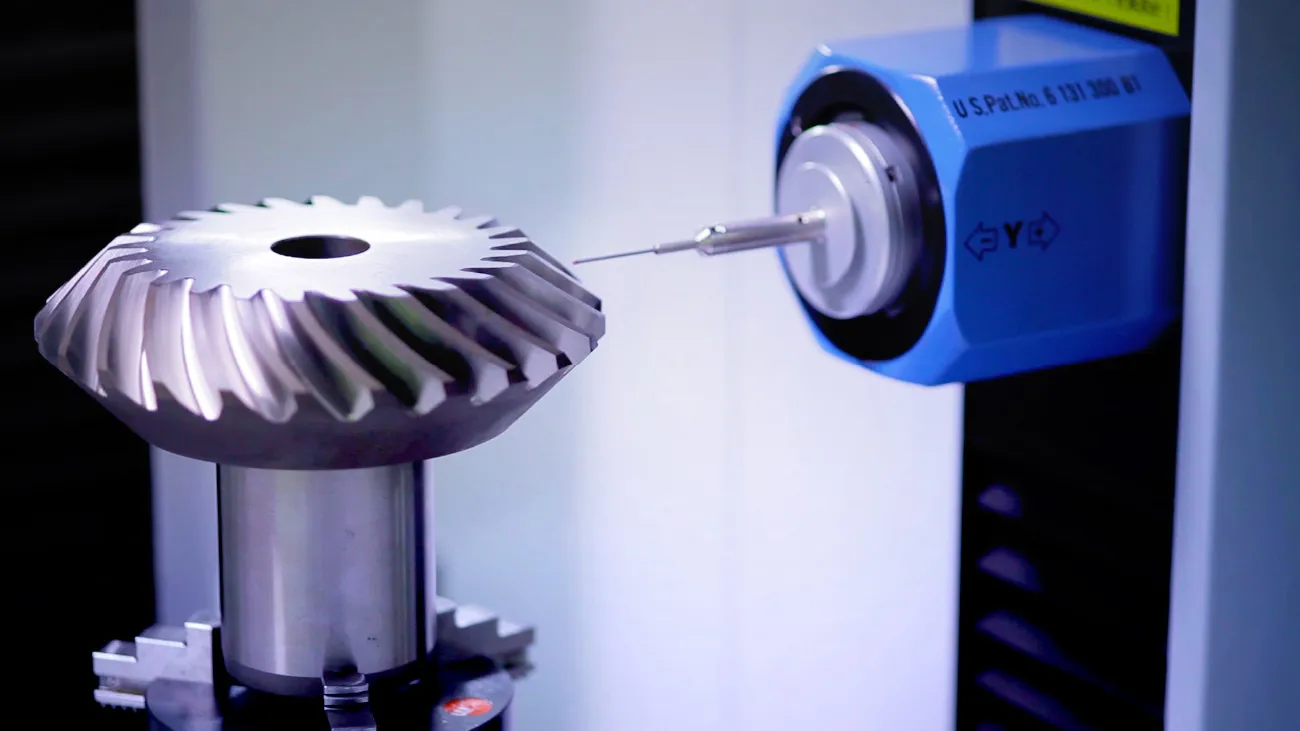
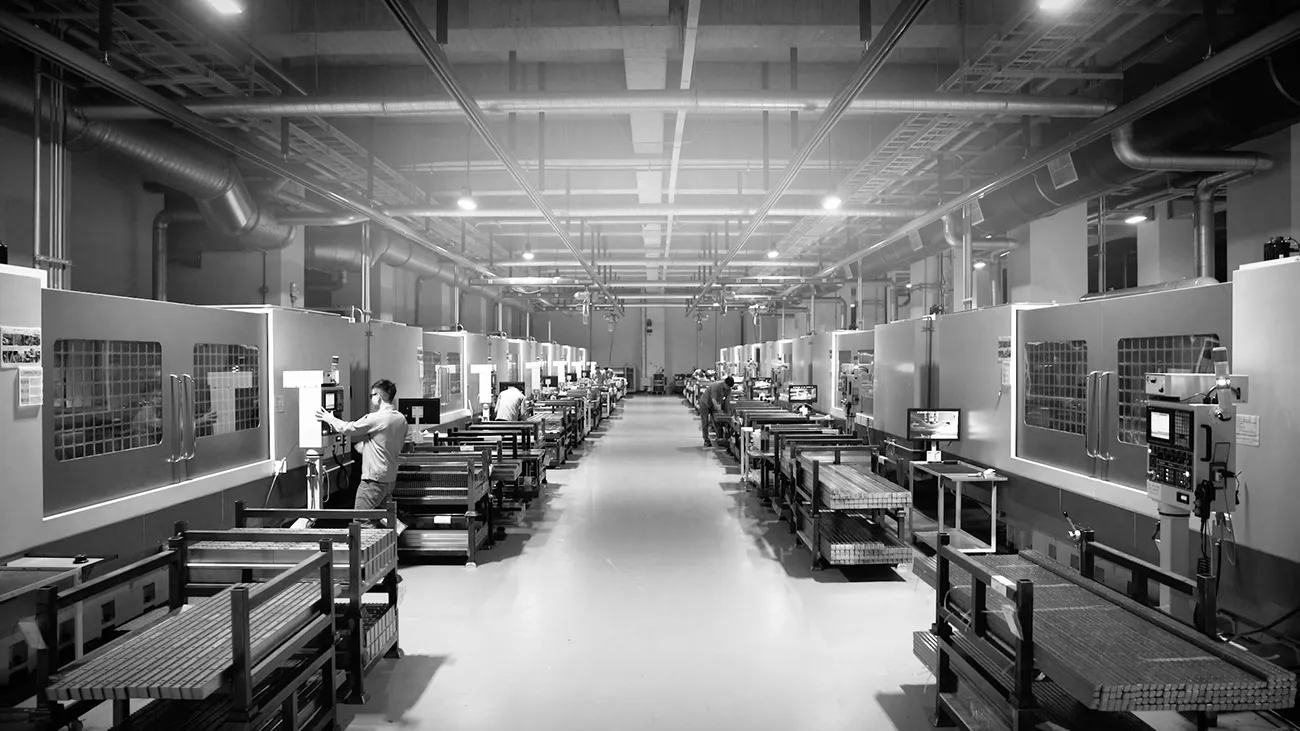
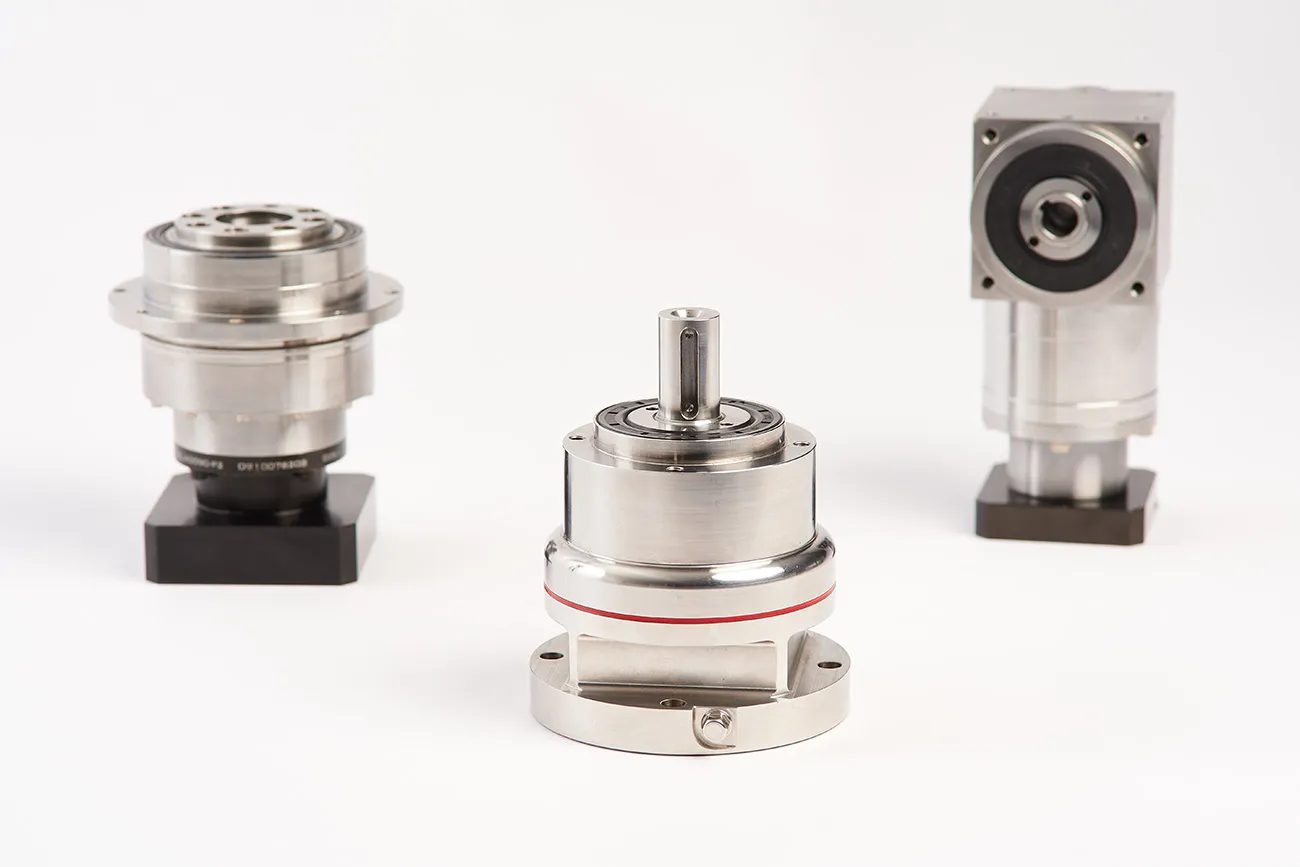
Making products with such low backlash requires highly accurate gear-cutting machines, and the most accurate gear-cutting machines come from Germany, Switzerland or Austria. You also need CNC centres, ideally capable of turning and milling in a single set-up, as well as highly accurate grinding machines. If you do not want to outsource hardening, you will also need a heat-treatment line, preferably capable of using different hardening processes. Before sending components for assembly, you will want to check their dimensions and hardness, at the very least for every batch. Gear teeth can only be measured using a probe in a surface, contour and form measuring machine. Here too, German-made machines lead the field. A typical lead time for a machine of this kind is one year.
Low-backlash gearbox supplier
Search online for low-backlash gearbox manufacturers and you will find a great many, with more than 90% of the results coming from China. On platforms such as Alibaba, it is fair to ask whether they are all manufacturers, as resellers are commonplace. They are also easy to spot from their specifications, which are often a one-to-one copy of the datasheet for Apex Dynamics’ gearboxes. Components such as bearings, seals and lubricants from reputable manufacturers are also often listed, but are not used in the gearboxes. Only three to five manufacturers meet the criteria set out above and are therefore global players. Apex Dynamics is one of them, and its market share continues to grow strongly. We are particularly proud of that!
Question about this story? Ask your question
Companies in this story
Keep following this
Get an email when a new story is published. No account needed.
- ThemeReliable machinery and drives
- SubjectNews
- CompanyApex Dynamics