What does the future hold for packaging?
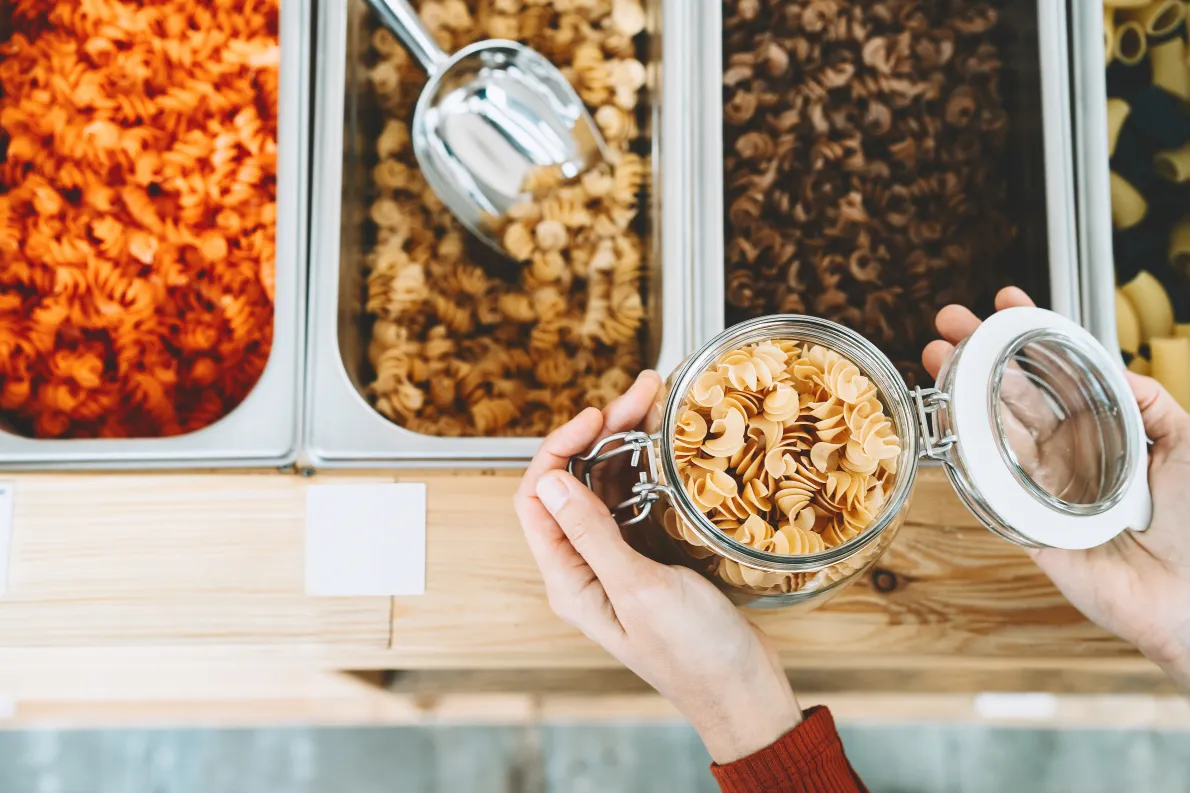
Do you buy food products in bulk, without packaging or in your own reusable packaging? This is the new trend in the food sector. However, there is still a long way to go before these new business models can be developed on a larger scale. Food companies are willing to move in this direction, as long as it does not undermine their ultimate goal. That goal is to provide consumers with safe, high-quality products with as little negative impact on the environment as possible. The Green Deal Anders Verpakt can offer them new solutions.
Packaging in a new guise
Today, shop shelves already feature a range of innovative packaging that reduces overall environmental impact: lighter packaging, recyclable trays, the incorporation of recycled materials, as in PET bottles, boxes sized to fit the products, and so on. In Belgium, these innovations have made it possible to avoid 56,000 tonnes of packaging a year since 2004. That amounts to a saving of almost 5 kg of packaging per person per year.
Read about all the initiatives from the sector and companies at Verpakkingen2025.be
But packaging prevention has its limits. Companies cannot keep reducing the thickness of packaging. Consumption patterns have also changed. We are choosing individual portions more often, collecting or having meals delivered, while also wanting to use less packaging or none at all. This is prompting companies to innovate in other areas, such as selling products in “bulk”, offering meals in reusable “food containers”, or offering drinks in refillable glass or plastic bottles.
For Ann Nachtergaele, who is responsible for sustainability at Fevia, various innovative packaging systems could be considered, provided they are economically viable too. “Companies are open to all possible solutions, provided they do not compromise the quality of their products, generate no waste and have as little impact on the environment as possible. There are various ways to achieve that goal. To develop new systems on a larger scale, such as those that are ‘packaging-free’, we need sustainable business models. That is not always straightforward,” she says.
Packaging differently
In other words, if you buy a salad in a reusable food container but forget it, or it is damaged and no longer usable, you have to throw it away and buy a new one. The net effect of your action is then zero. We should therefore look beyond the impact of packaging itself. We also need to rethink the delivery and consumption models for packaged and unpackaged food.
That is the starting point for the Green Deal Anders Verpakt, a partnership that aims to get the entire food chain to ‘package differently’. How? By working towards eliminating single-use packaging altogether or encouraging reuse. The aim of the Green Deal Anders Verpakt is to find new ideas and innovative projects, then help companies test these new business models. One model that has already proved successful in Belgium and across Europe is transporting fruit and vegetables in a closed loop of reusable plastic crates, avoiding the use of cardboard boxes and other unnecessary packaging. Another example is a shared system of reusable takeaway containers used by different pasta suppliers at city level.
Why join the Green Deal Anders Verpakt?
Several Fevia members are taking part in the Green Deal Anders Verpakt. The official signing will take place on 11 March in the presence of ministers Crevits and Demir. Two food companies will show how the Green Deal is helping them develop ideas for new projects.
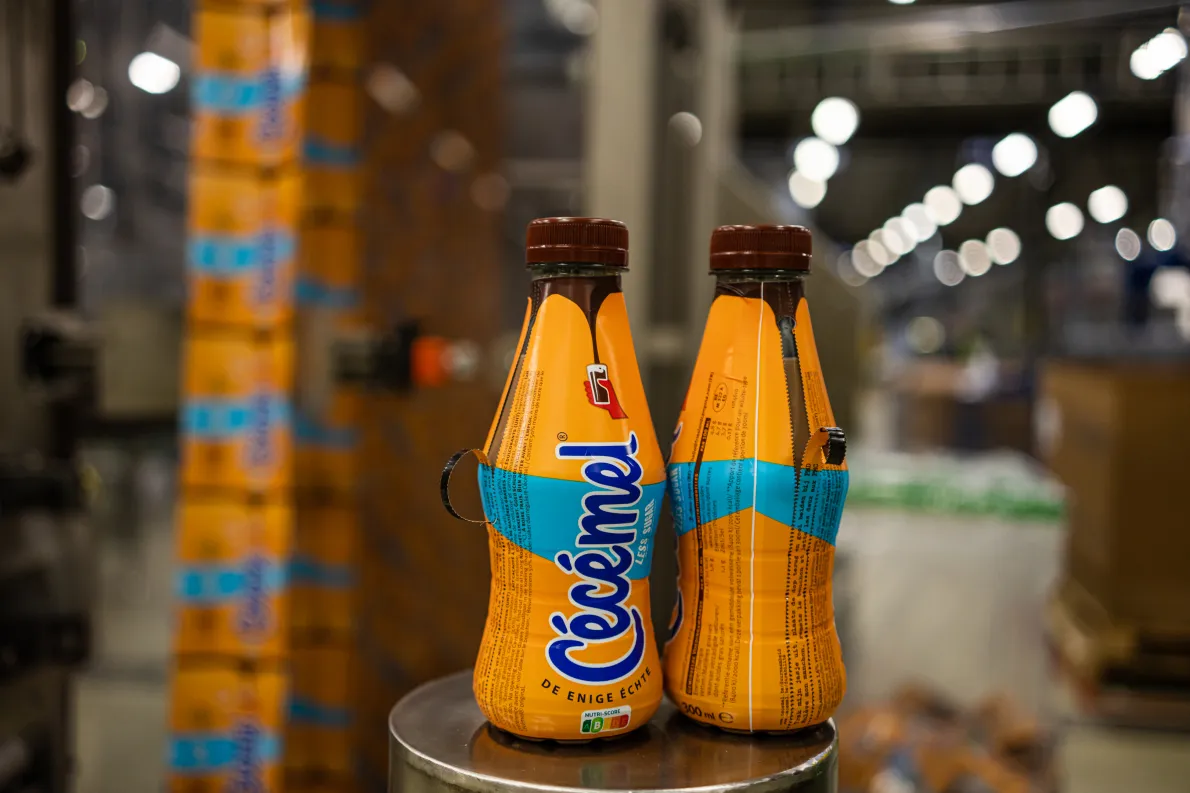
FrieslandCampina is a dairy cooperative that has already made substantial investments at its Belgian production sites to make packaging more sustainable. As part of its “Nourishing a better planet” sustainability strategy, FrieslandCampina aims to make 100% of its packaging reusable or recyclable by 2025.
FrieslandCampina recently invested in a third PET line at its production site in Aalter. Ger Standhardt, packaging developer at FrieslandCampina, sees the Green Deal Anders Verpakt as an opportunity to do even more and think outside the box:
“With our internal RESPACKT tool, we continually monitor the most sustainable packaging options for our products. In recent years, we have opted for more sustainable bio-based beverage cartons and were also the first dairy company in Belgium to choose 100% rPET. We want to keep making progress towards our ambition of having all our packaging recyclable or reusable by 2025. We are strongly committed to making packaging more sustainable. We are convinced that a diversity of packaging types has a place on the market, provided they can protect product quality. For dairy, for example, a light barrier is crucial, as is the ability to meet consumers’ needs for convenience. The Green Deal Anders Verpakt opens up opportunities to take a broader view of sustainability. Seeking partnerships is part of FrieslandCampina’s DNA as a cooperative. The Green Deal Anders Verpakt is a collaboration that fits with this.”
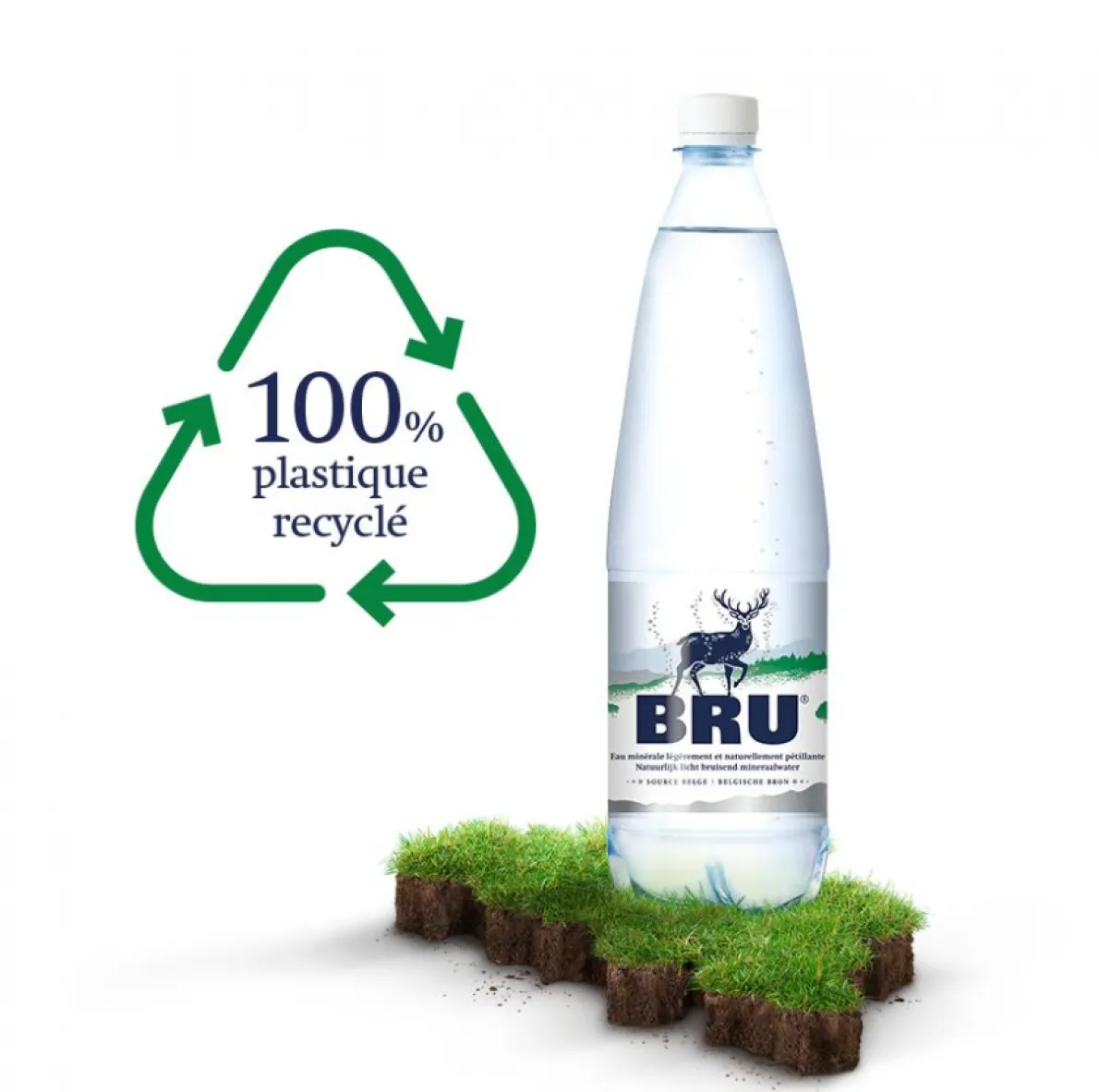
Spadel aims to reduce its plastic footprint by 15% by 2025, incorporate 100% recycled or reused materials into its packaging, collect and recycle all the packaging it puts on the market, and more. Christophe Scharpé, Head of Corporate Affairs, explains why Spadel is taking part in the Green Deal Anders Verpakt:
“We aim to double the share of our packaging that is reusable by 2025. This will reduce the amount of single-use packaging. Currently, 10% of our volume is sold in reusable packaging, mainly glass bottles and 19-litre carafes that can be returned. We want to innovate through new business models or by developing new types of reusable packaging. We will share our experience, but also learn from the experience of other participants. We look forward to finding new ways to get our water to consumers.
Question about this story? Ask your question
Keep following this
Get an email when a new story is published. No account needed.
- ThemePackaging and product traceability
- SubjectNews