What should the production floor look like at food companies?
Text Valérie CouplezImage Agoria en Lean Lead
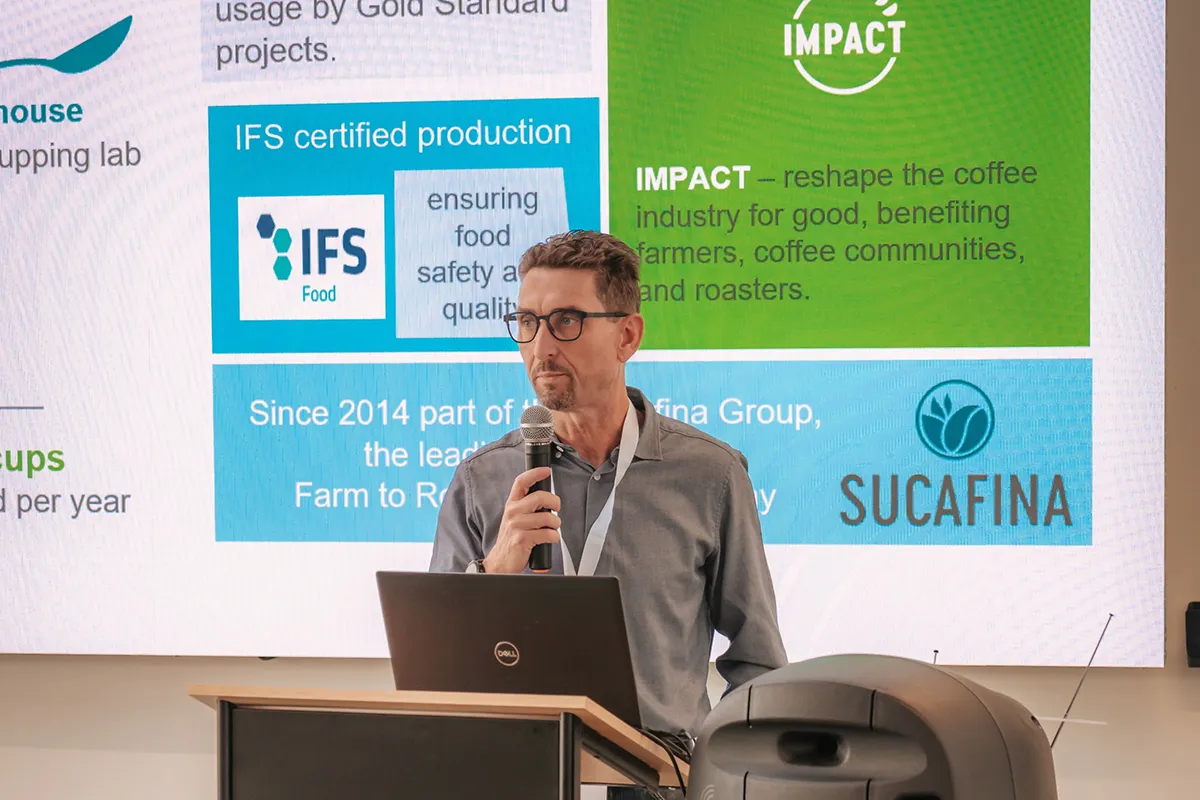
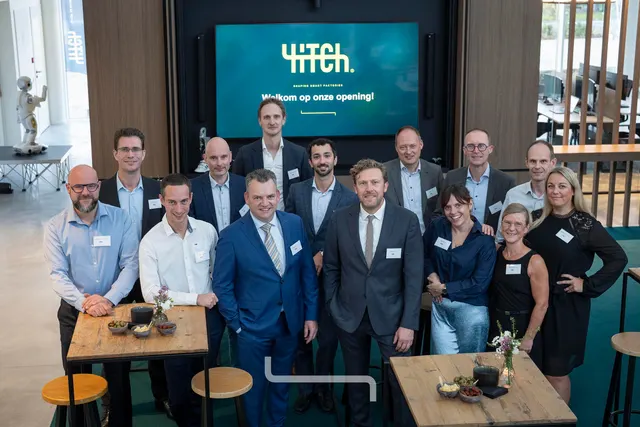
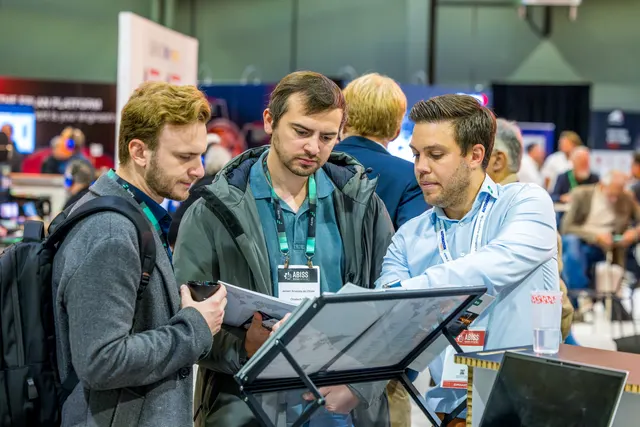
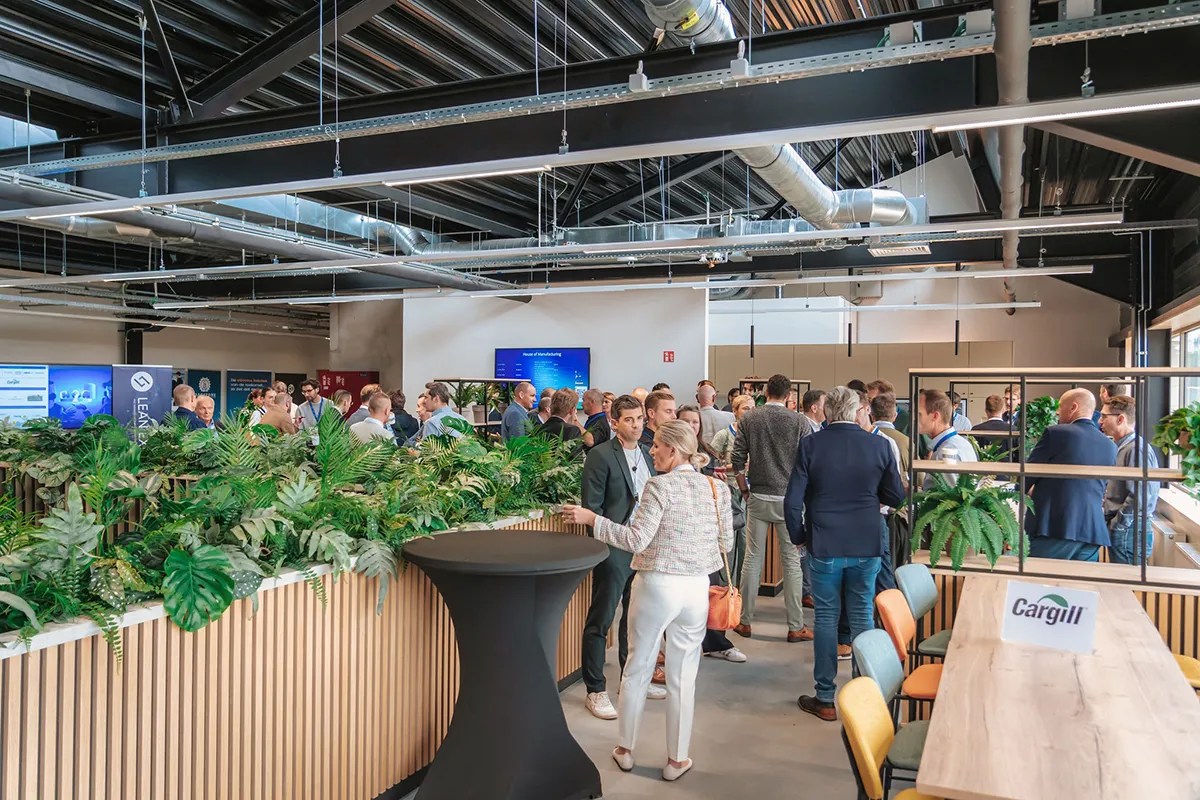
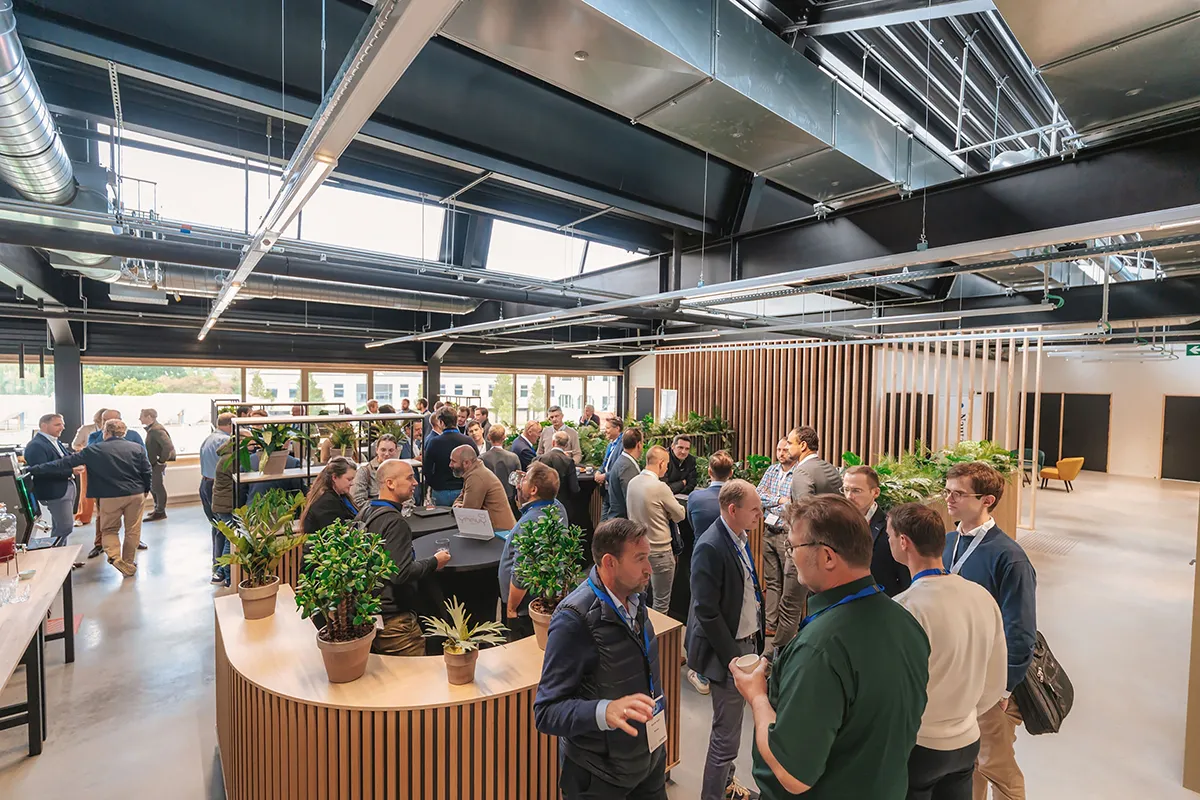
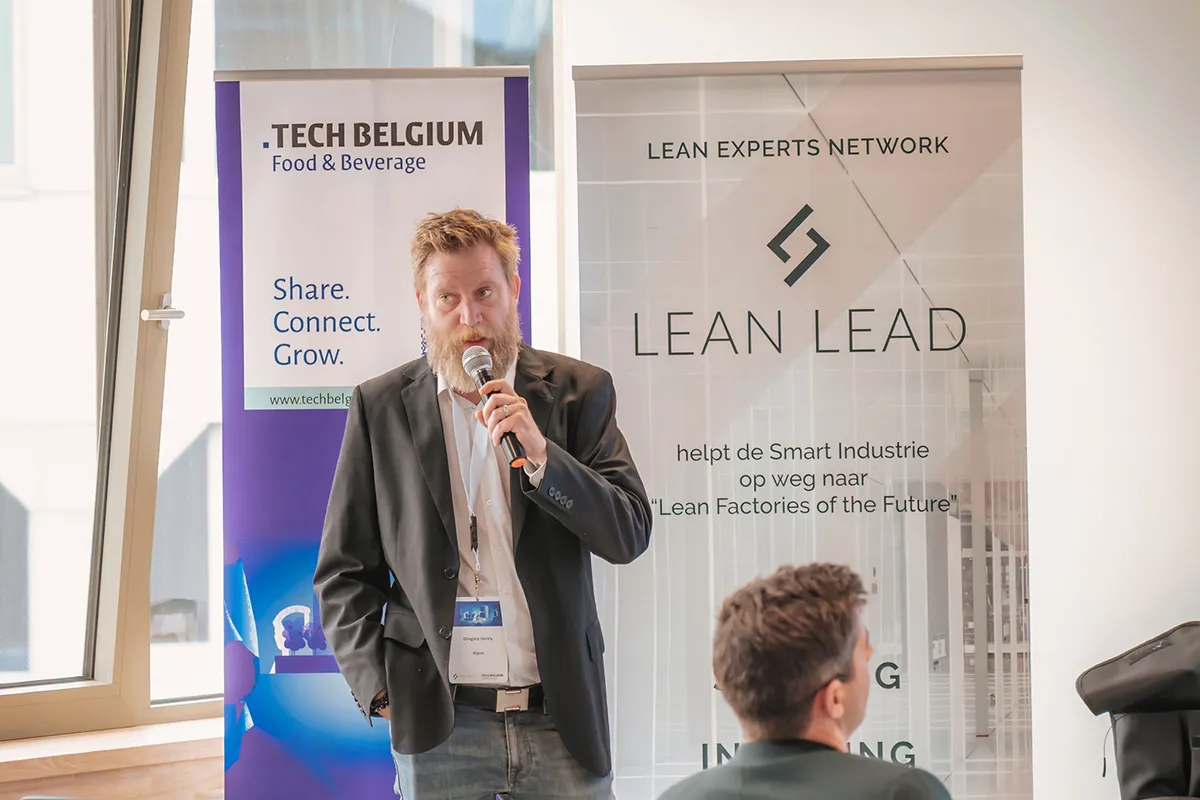
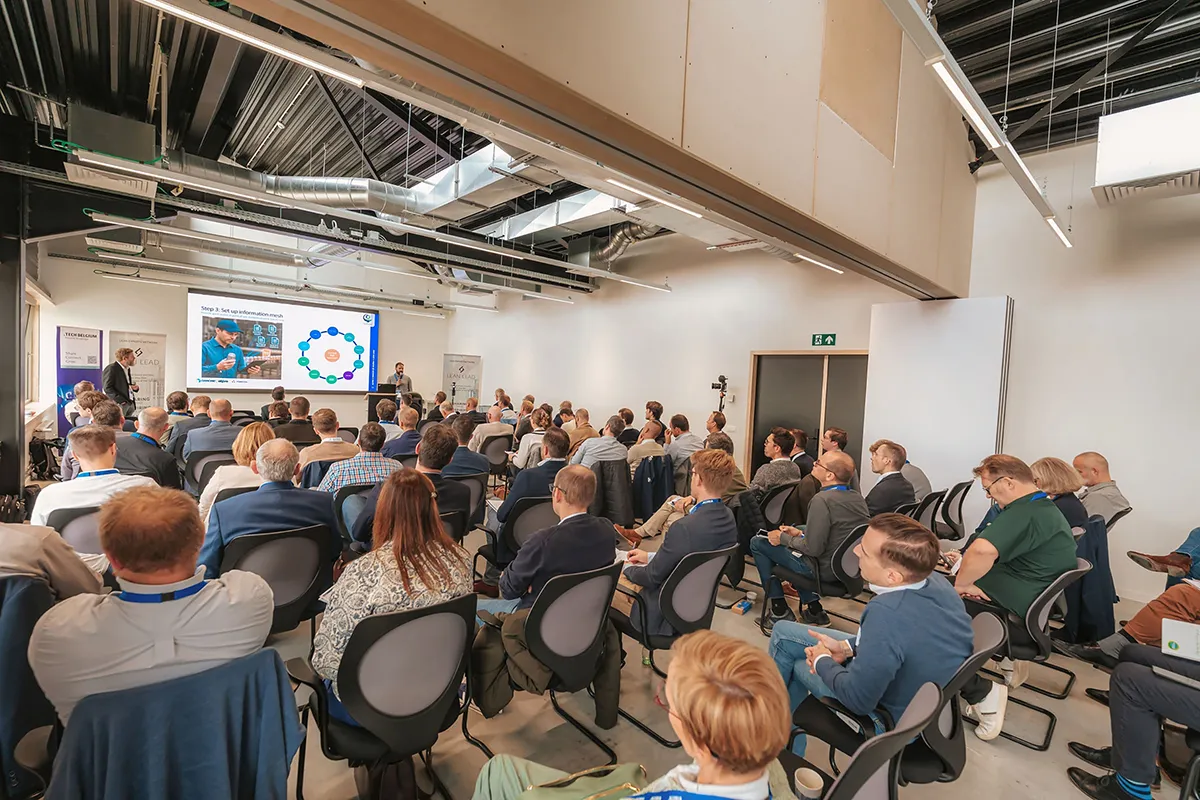
What do food companies hope will disappear from their production floors over the next five years? And what do they hope to see there instead? These questions formed the starting point for the event ‘Food Processing Operations, out with the old, in with the bold’, organised by Food & Beverage Tech Belgium within Agoria and Lean Lead. They brought 25 food companies and 25 technical suppliers together at the House of Manufacturing in Kortrijk. Among other things, they heard how three food companies had succeeded in creating value by making their processes leaner and meaner. We share insights from two of those case studies with you.
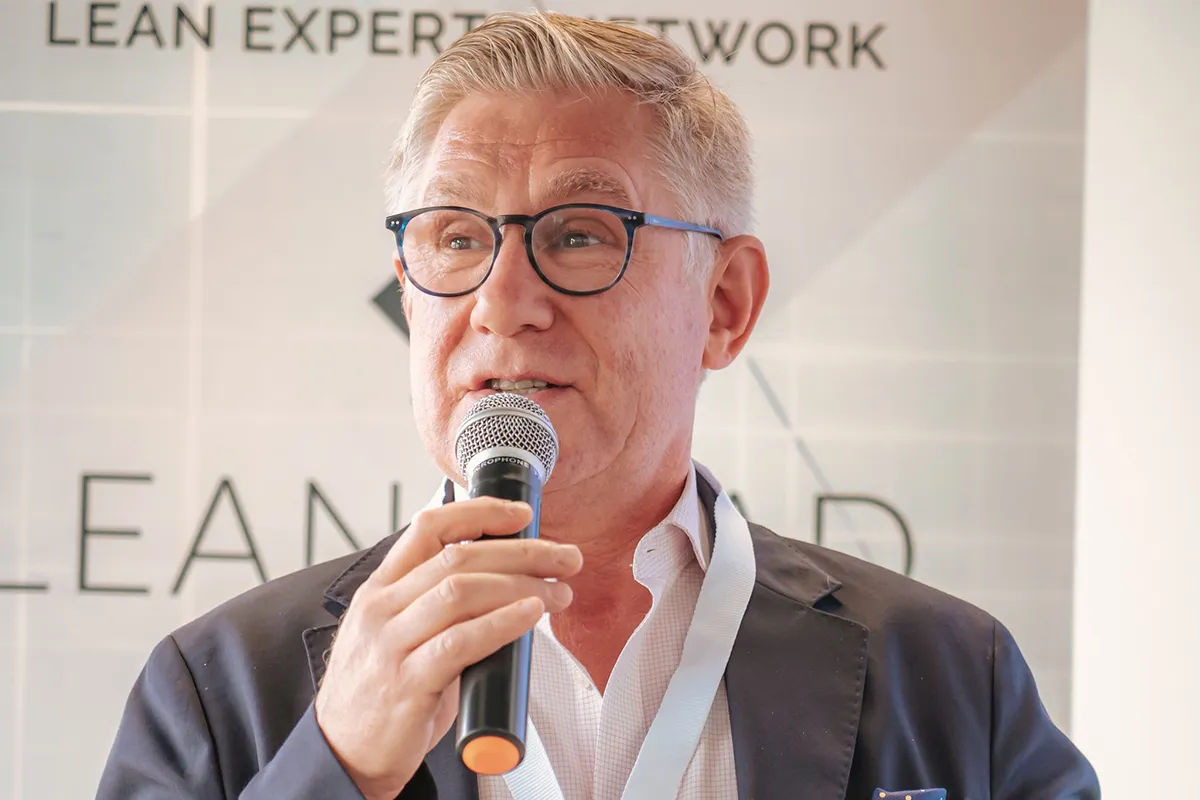
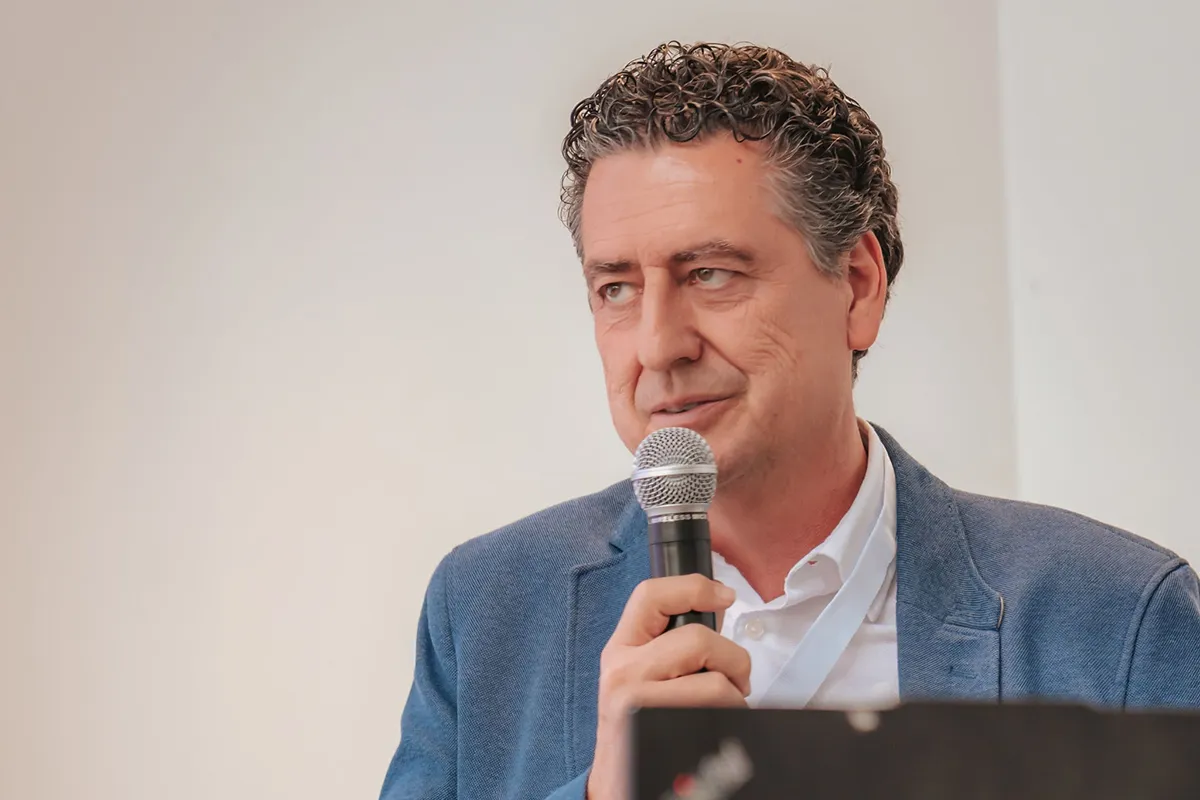
Beyers Coffee, Belgium’s largest coffee producer, was the first to take the floor. It produces 2.6 billion cups of coffee every year for customers in more than 25 countries. Most of this is under private label for retailers such as Lidl, Aldi, Carrefour, Action and Intermarché. In the coming years, the company wants to take its digital transformation further. Its aim? To get rid of paper on the production floor entirely. It is a story that began seven years ago …
Don’t tackle every challenge at once
The starting point was to replace all the separate databases with a single standardised software system. But the challenges are considerable. Climate change is pushing up the price of coffee beans. Beyers Coffee responds by continually adapting its blends to market conditions. The result is a proliferation of varieties, while quality, production efficiency, environmental impact, compliance, traceability and operator engagement must all be maintained. The challenge had become too great to manage on paper. Yitch came to the rescue, but the company tackled the issues one at a time to keep things manageable. The initial focus was on getting the process under control, increasing operator engagement and responding efficiently to the growing body of regulations.
Digitising and automating quality checks
Operators were equipped with mobile devices running Brighteye’s Momentum software. They use them to enter the results of manual quality checks. The digital process is automated, with no steps that can be skipped. This has paid off for Beyers Coffee. Production line performance is now monitored more closely, resulting in a much more consistent process because feedback is provided more quickly. This also leads to less waste. The system makes work more pleasant for operators too, compared with filling in all the checks on paper. It saves them time, and Beyers Coffee money. Best of all, no paper is needed any more. The data is available in the system immediately.
How to train staff more effectively
The second case study came from Alpro. Like many other food companies, it is dealing with a staff shortage. More accurately, perhaps, it lacks staff with the right skills, as years of experience are dwindling while production is becoming increasingly complex. The question was: how can we preserve the experience and knowledge of experts who leave? And how can we move from traditional training methods to just-in-time knowledge sharing? The answer was a three-year plan, developed in collaboration with Maecos, to shift from relying on individual experts to building shared knowledge.
Centralising all available documentation
For Alpro, the first step was to create a webshop bringing together all available operational documents, from SharePoints to AR/VR training videos. Everything is accessible to everyone, on any device, so staff can learn in whichever way suits them. The next step was to determine what needs to be learned for each task and how to validate each skill consistently. This allows everyone to learn at their own pace and always in line with current best practices. The digital approach was also extended to the production floor. Alpro used it to build an information mesh, linking documents to changeovers, quality checks, alarms, refresher courses and more. Everyone can now track which training they still need. The time-consuming, error-prone Excel lists kept by HR have been replaced by a digital overview for team leaders.
Building knowledge from the ground up for continuous performance
The result is that knowledge is now built from the ground up. Operators can suggest changes to existing documents and leave comments in the logbook about potential problems and solutions they encountered during their shift. By sharing insights, everyone at Alpro can learn from one another. This creates a virtuous circle. The better trained operators are, the more likely they are to take action. Every interaction with the system builds trust, helping staff embrace new technology more quickly too. In two years, Alpro has built up a factory memory, so that regardless of the shift or the operator, the line keeps running better.
Question about this story? Ask your question
Companies in this story
Keep following this
Get an email when a new story is published. No account needed.
- ThemeBuilding and upgrading food factories
- SubjectNews
- CompanyYitch