Developments in quality control testing
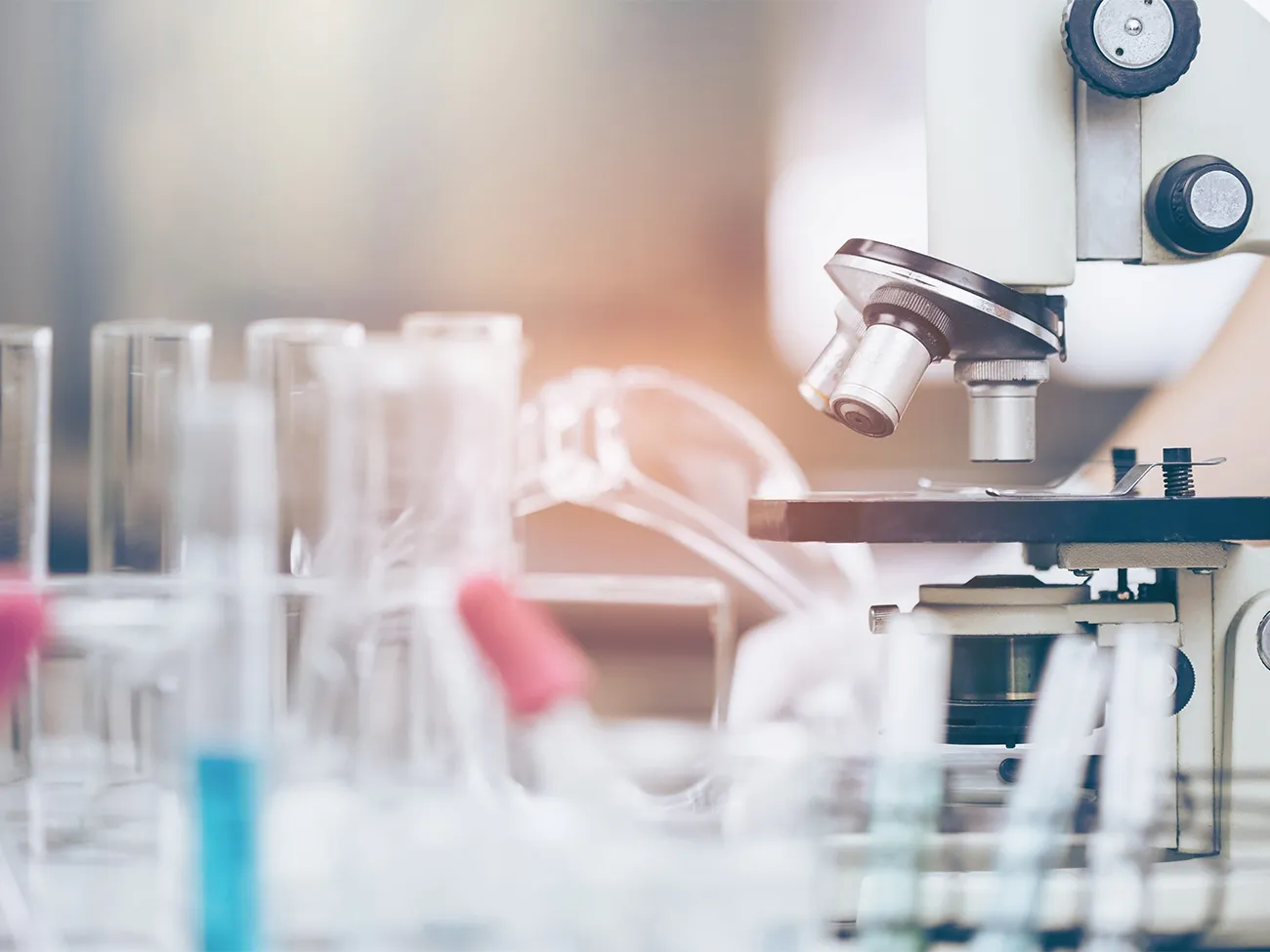
Every product intended for human consumption must undergo rigorous testing. To ensure food safety, of course, but also to show that food contains what it should, and nothing else. Today, most tests are carried out in laboratories, either on site within the production facility or in collaboration with an external partner, to provide sufficiently detailed analysis. Research is also under way into what could be monitored in future through in-line measurements and analysis.
Sensors have enormous potential in the food industry for monitoring both processes and product quality. Applications include detecting pathogens in raw materials, during processing and in finished-product quality control. So far, sensors have been used mainly on the production line, where they monitor the environment and check for the presence of gases. These include hydrocarbons, ammonia and hydrogen sulphide, which can be generated during production. Such sensors provide valuable information about process performance, but little direct information about the quality of the product being processed. To gain a clearer picture, chemical sensors and biosensors will need to be considered. The options remain highly dependent on the application and the process environment.
Towards real-time analysis
In a typical bioprocess, cells are grown in liquid media under strictly controlled conditions in fermenters or bioreactors. Products from these bioprocesses range from enzymes and biopharmaceuticals to valuable food flavourings, all of which are subject to stringent product quality and safety requirements. Gas sensors have already proved highly useful for the quantitative and qualitative monitoring of bioprocesses, enabling cell status, growth rate and product concentration to be tracked in real time. Another advantage of this technology is that it can be used to detect contamination by foreign microorganisms in a bioreactor tank in real time, after just a few hours of processing. This is a significant improvement on traditional microbiological methods. The use of non-invasive, online monitoring technology such as these gas sensors could therefore certainly help improve product quality.
Automation and miniaturisation
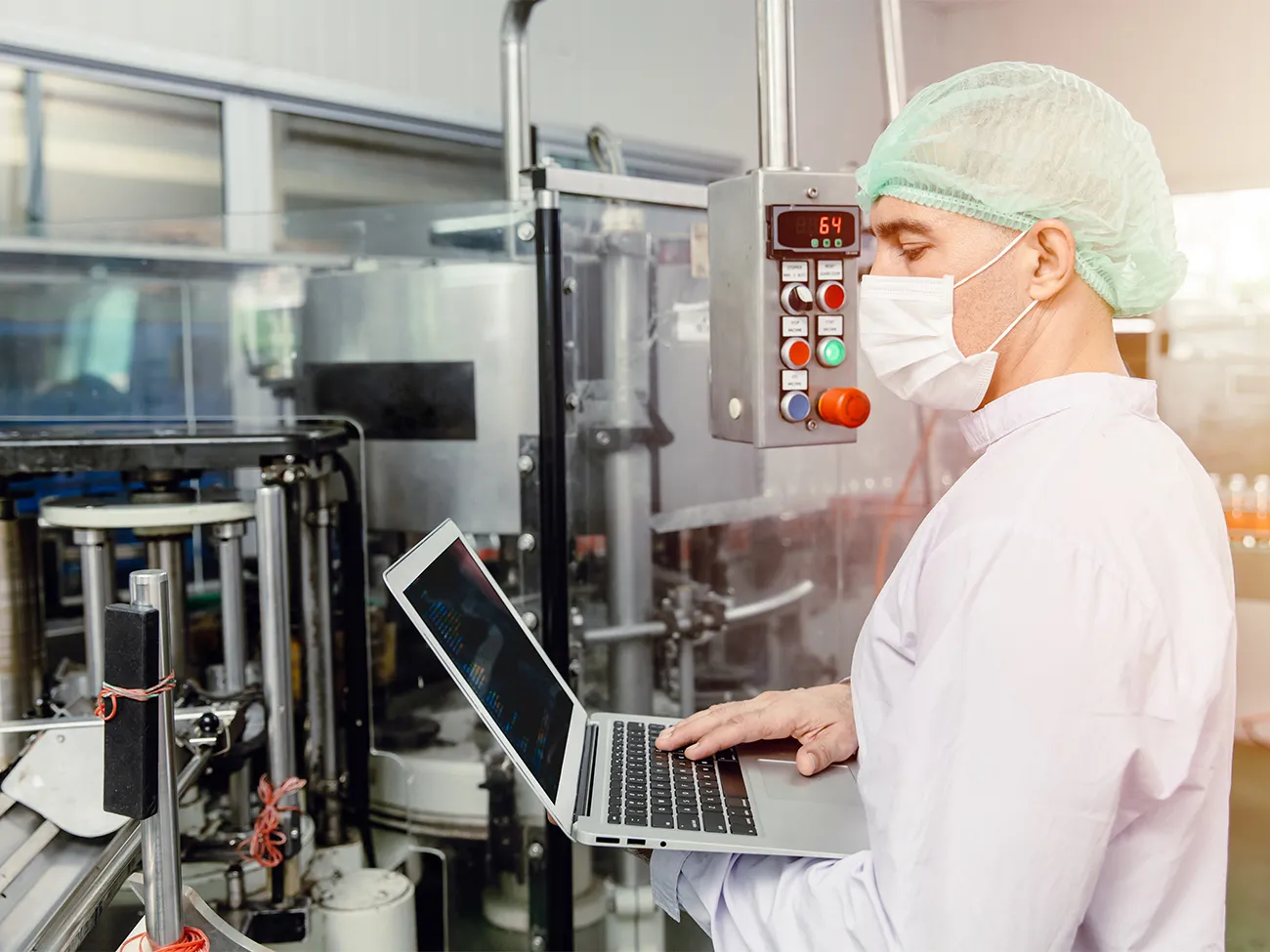
Two trends will have a major influence on applied research into sensor technologies: automation and miniaturisation. The two are also closely intertwined. The necessary instrumentation can be incorporated into existing process technology without disrupting operations. These systems must also be integrated into overall quality assurance and traceability systems. Current methods are not yet able to meet these needs. In future, however, real-time testing with reliable sensor technology will add value for food producers by reducing treatment costs and product recalls. As food safety requirements become more stringent, demand for rapid sensor technology will only increase.
New opportunities
The food industry is having to provide more information about its products than ever before. To keep processes fully under control and monitor process parameters at the production site to ensure maximum certainty, measurement and diagnostic devices will be needed. These devices will need to operate close to the production line, or, better still, be fully integrated and connected. There will be a market for devices that …
- can measure a specific range that falls within regulatory limits
- can be integrated into existing quality control and data management systems
- operate accurately and reliably over an extended period
- have sufficiently short response times
- are hygienically designed
- are easy to operate, maintain, dismantle and assemble, and affordable for food businesses
Question about this story? Ask your question
Keep following this
Get an email when a new story is published. No account needed.
- ThemeFood safety from design to audit
- SubjectLegislation