Stricter labelling and composition rules for breakfast products aim to prevent fraud
Text Johan DebaereImage Markem-Imaje
New European Union (EU) guidelines target what authorities describe as ‘food fraud’ and ‘hidden’ sugars in certain foods typically consumed at breakfast. Under the so-called ‘Breakfast Directives’, some everyday foods must meet stricter labelling requirements relating to composition and origin by 14 June 2026.
All producers selling honey, fruit juices, jam, jelly and marmalade, and powdered and condensed milk in Europe will have to comply with the recently introduced European Commission Directives 2001/110-14 in less than two years. These products have been singled out because their labels often contain misleading information about their composition and high levels of added sugars. The directives are part of the EU’s broader strategy to protect both producers’ reputations and consumer interests. The ‘Breakfast Directives’ ensure that all producers are equal before the law, as every product on the market must meet the same standards. This prevents unfair competition from lower-quality products that could undermine the market for legitimate producers. Producers’ reputations are protected because their commitment to quality can now be enshrined in law.
Honey
Honey is one of the products most frequently subject to fraud, making it a key focus of the ‘Breakfast Directives’. Fully half of the samples tested proved to be fraudulent. It is therefore the subject of the first directive, Directive 2001/110/EC. The global honey market faces issues such as pure honey being diluted with cheap sugar syrups, honey varieties being mislabelled, and honey that does not meet legal standards being sold. These practices not only deceive consumers, but also threaten the livelihoods of beekeepers and producers who do comply with quality standards.
Honey is often mixed with sugar syrup made from rice, maize or beet, making it much cheaper to produce and therefore possible to sell at a lower price than pure honey. However, this honey does not have the same nutritional and medicinal properties as pure honey, and the EU considers this fraud against consumers, who often believe they are buying an authentic product. Another problem is the mislabelling of honey’s geographical origin or botanical source. Take acacia honey, for example: it commands a higher price, but often only minute quantities are used, despite the label claiming otherwise. Honey is also sometimes labelled ‘organic’ even though it does not meet the required certification standards. Solutions are now available to ensure that products such as honey are authentic and not adulterated.
Protecting brands and consumers
To comply with the new regulations, honey labels must accurately state the product’s origin, source and processing methods. For example, if honey has been filtered to remove pollen, the label must state that it is ‘filtered honey’. Limits are also being introduced for moisture content, sugar composition and the presence of foreign substances.
The directive also requires all claims about the geographical origin or botanical source of honey to be verifiable. Traceability records must therefore be kept. EU countries must now monitor compliance with these rules and impose penalties on producers and sellers who fail to comply. In addition, the directive means that terms such as ‘blend of EU honeys’, ‘blend of non-EU honeys’ and ‘blend of EU and non-EU honeys’ can no longer be used. This measure is intended to support the livelihoods of legitimate beekeepers and honey producers by ensuring they are not undercut by fraudulent competitors. It also allows consumers to trust that the honey they buy is the product it claims to be and is of high quality. Consumer confidence can be further strengthened by providing detailed information via smartphones, such as the brand’s history and traditional production methods.
Fruit juices
Directive 2001/112/EC of the ‘Breakfast Directives’ covers fruit juices and defines what may be marketed as ‘fruit juice’, ‘fruit juice from concentrate’ and ‘nectar’. It sets standards for the production process, including a ban on adding sugar to fruit juice unless it is labelled as ‘juice with added sugar’. This helps prevent consumers from being misled into buying drinks that are heavily diluted or sweetened. It also benefits brands that sell pure juices. Accurate labelling is an important part of the directive. Labels must state whether the juice is made from concentrate or freshly squeezed. Any added ingredients, such as vitamins or minerals, must be clearly indicated. This transparency benefits consumers and also enables brands to distinguish their products from less pure or heavily processed alternatives.
Directive 2001/112/EC also helps prevent fruit juice from being adulterated with cheaper ingredients such as water, sugar or artificial flavourings. For example, the label of nectars with high levels of added sugars may not use the term ‘juice’. Enforcing strict composition standards ensures that only genuine fruit juices can be marketed as such, protecting both consumers and reputable producers.
Jam, jelly and marmalade
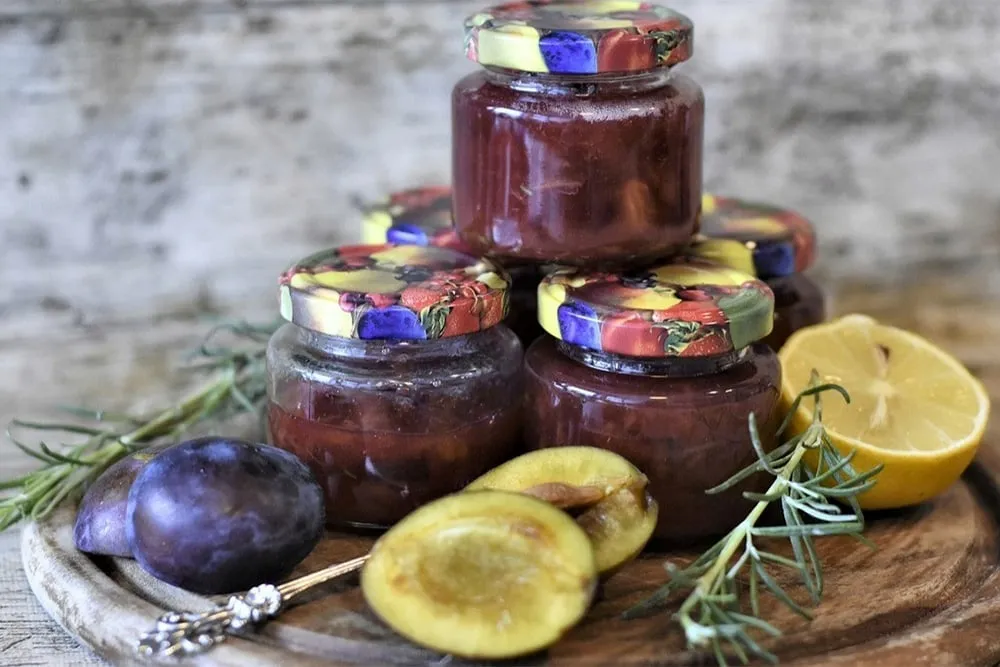
‘Breakfast Directive’ 2001/113/EC defines jam, jelly, marmalade and similar products. It specifies minimum fruit content and permitted sweeteners to prevent the sale of inferior products made mainly from sugar or fillers, and protects the reputation of producers who use the highest fruit content. Jam must now contain at least 450 g of fruit per kilogram, up from 350 g previously. ‘Extra’ jam must contain a further 50 g, as products bearing this designation must contain at least 500 g of fruit. Jelly may contain less fruit, while the name ‘marmalade’ no longer has to apply only to jams made from citrus fruit. The directive requires jam to be labelled accurately, including the type of fruit used, the fruit content and the presence of additives or preservatives. EU Member States must enforce these standards through inspections and product testing. For brands selling these products across multiple markets, scannable 2D codes, such as those using the new GS1 Digital Link standards, offer a way to provide consumers with detailed ingredient information in as many languages as possible.
Milk
Directive 2001/114/EC on certain partially or wholly dehydrated preserved milk products specifies minimum fat and protein content, ensuring that products meet basic nutritional standards. The directive also sets strict labelling requirements so consumers know what type of milk product they are buying: whole, semi-skimmed or skimmed. Labels must also clearly state whether the product is fresh, powdered or condensed. This enables dairy producers offering high-quality fresh milk products to stand out in the market. The current distinction between condensed and evaporated milk will be abolished.
Markem-Imaje
EU directives are not the only measures set to impose stricter labelling requirements for certain foods that may be vulnerable to adulteration, mislabelling or ‘food fraud’. India, the world’s largest spices market, is considering such measures to protect prized products such as saffron, vanilla and turmeric, according to the Indian Express. Cheaper alternatives are often sold there too, or artificial substances are mixed in. To meet tighter labelling rules, producers need the support of specialists who can help them develop a suitable solution for their specific application. Markem-Imaje has long had a strong reputation for end-to-end supply chain solutions and industrial marking and coding systems. The company has more than 50,000 customers worldwide, who benefit from the expertise of a manufacturer with, among other things, 30 years’ experience in thermal transfer overprinting. Its range now includes a variety of solutions, and integration with CoLOS® software extends the possibilities even further.
A business enquiry for Markem-Imaje NV? Get in touch
Companies in this story
Keep following this
Get an email when a new story is published. No account needed.
- ThemePackaging and product traceability
- SubjectLegislation
- CompanyMarkem-Imaje NV